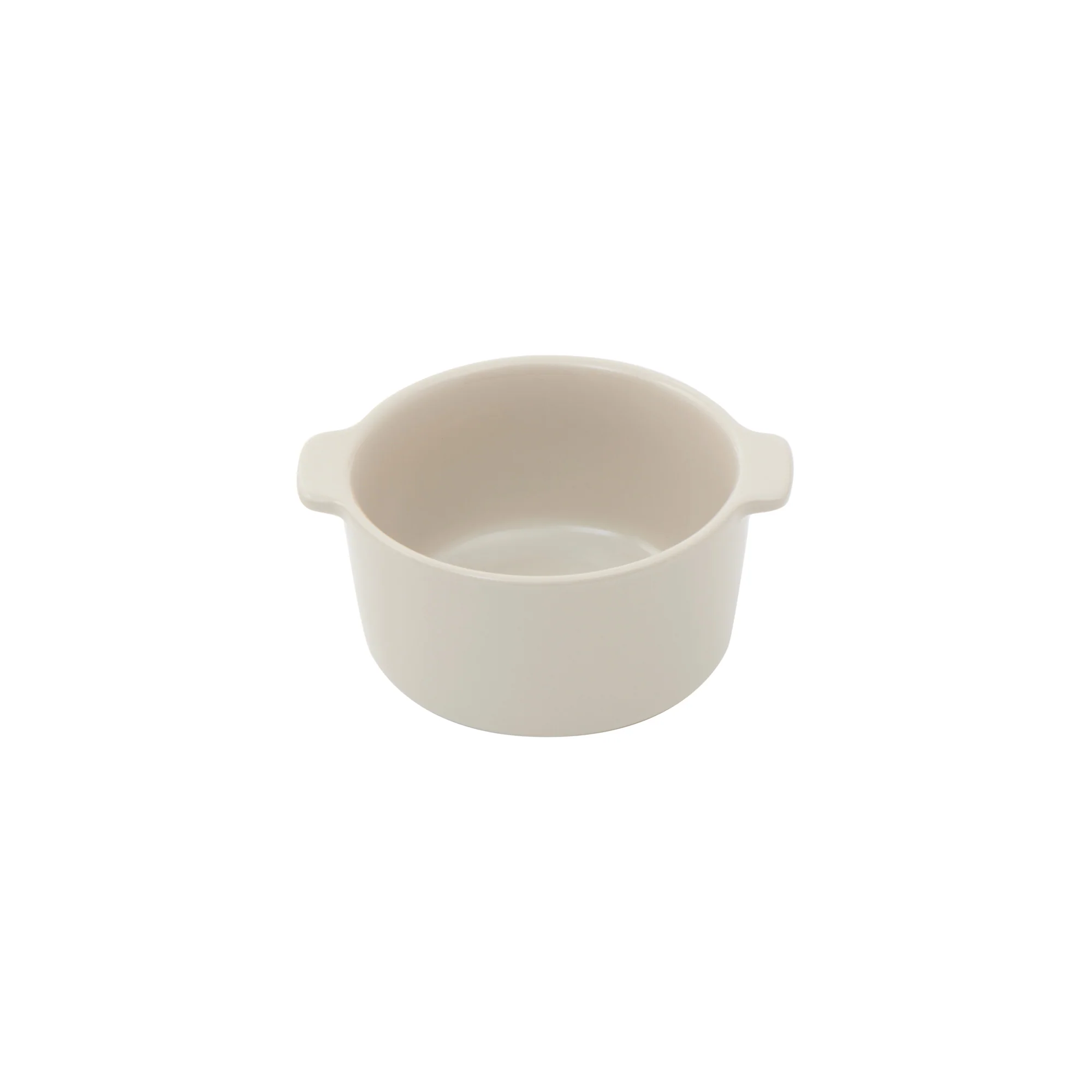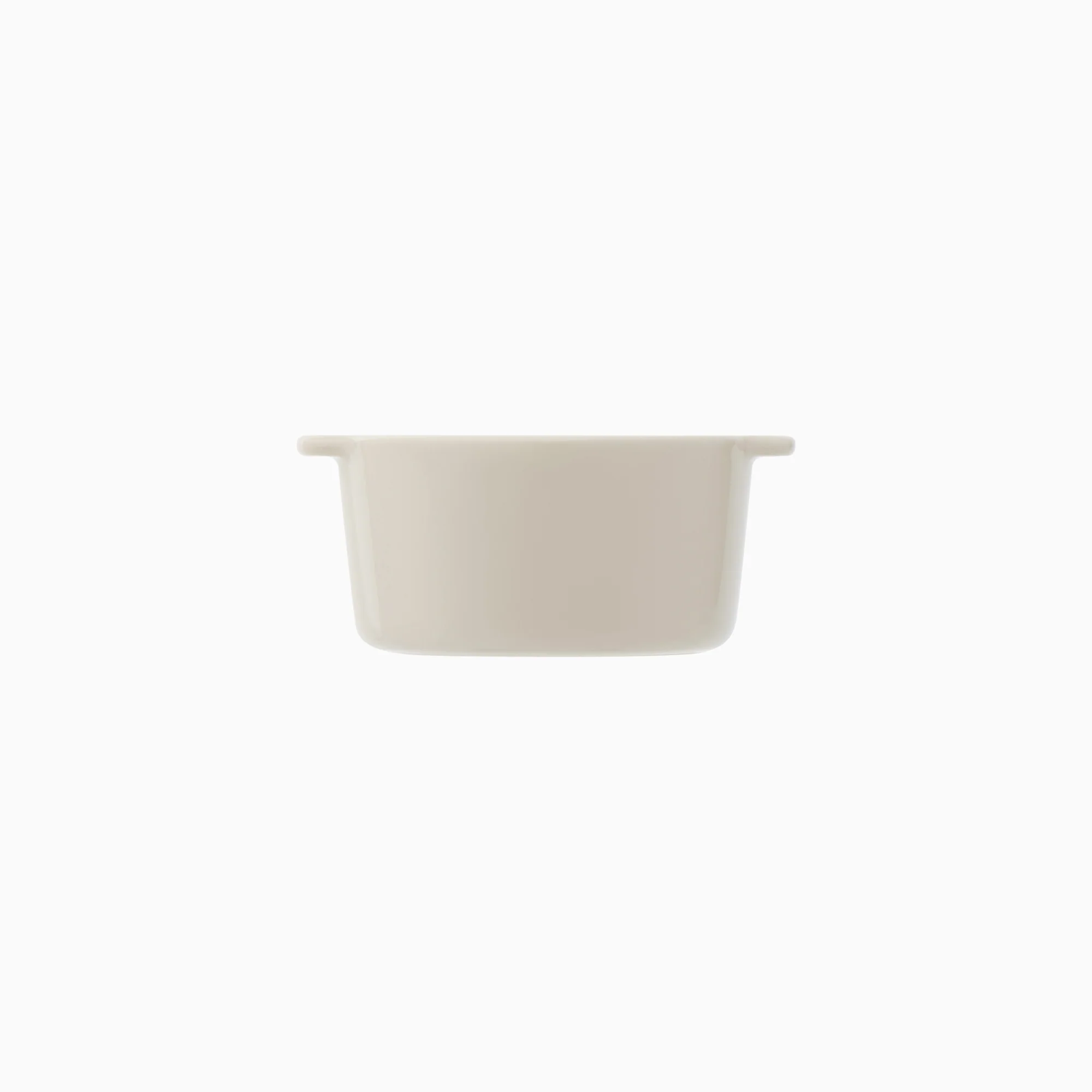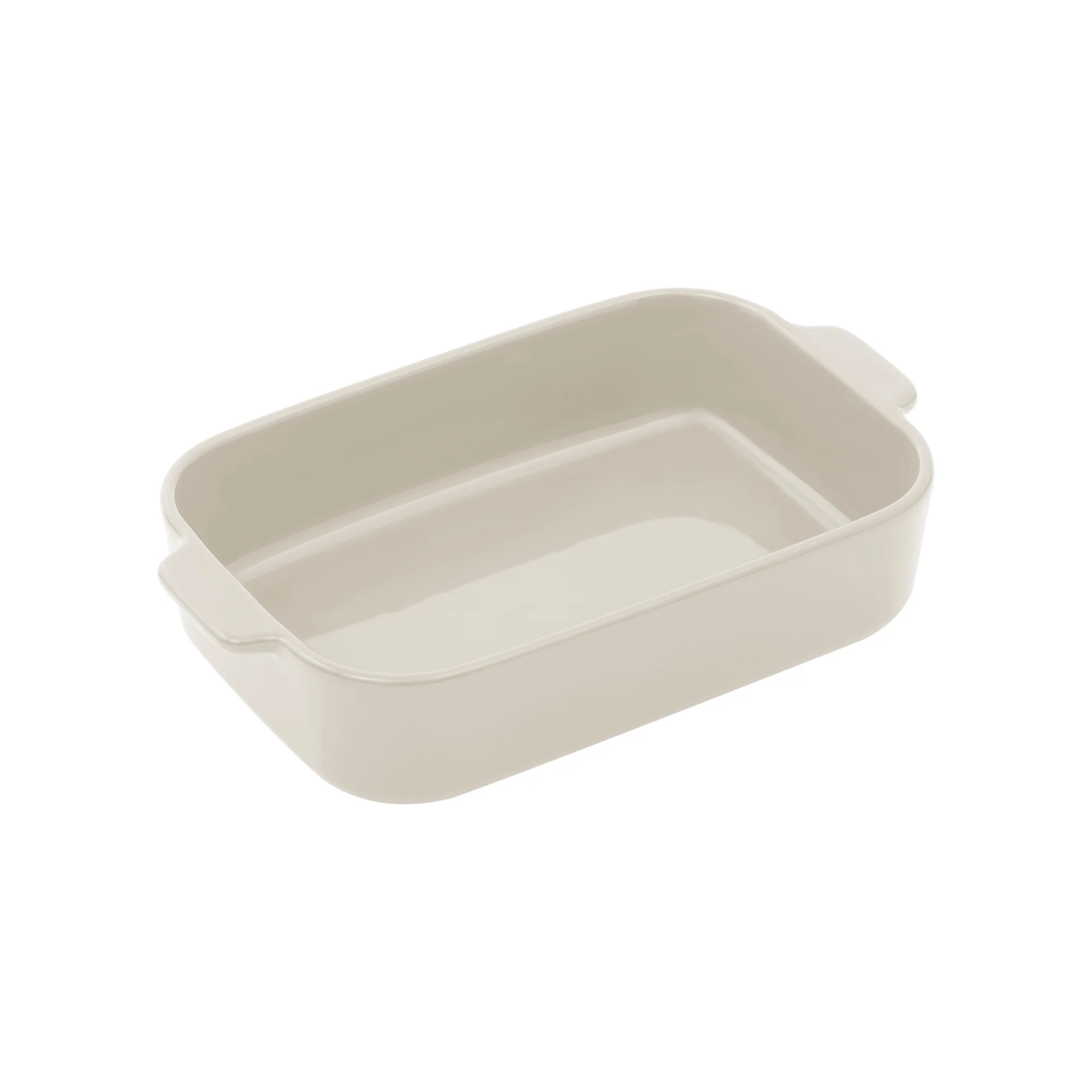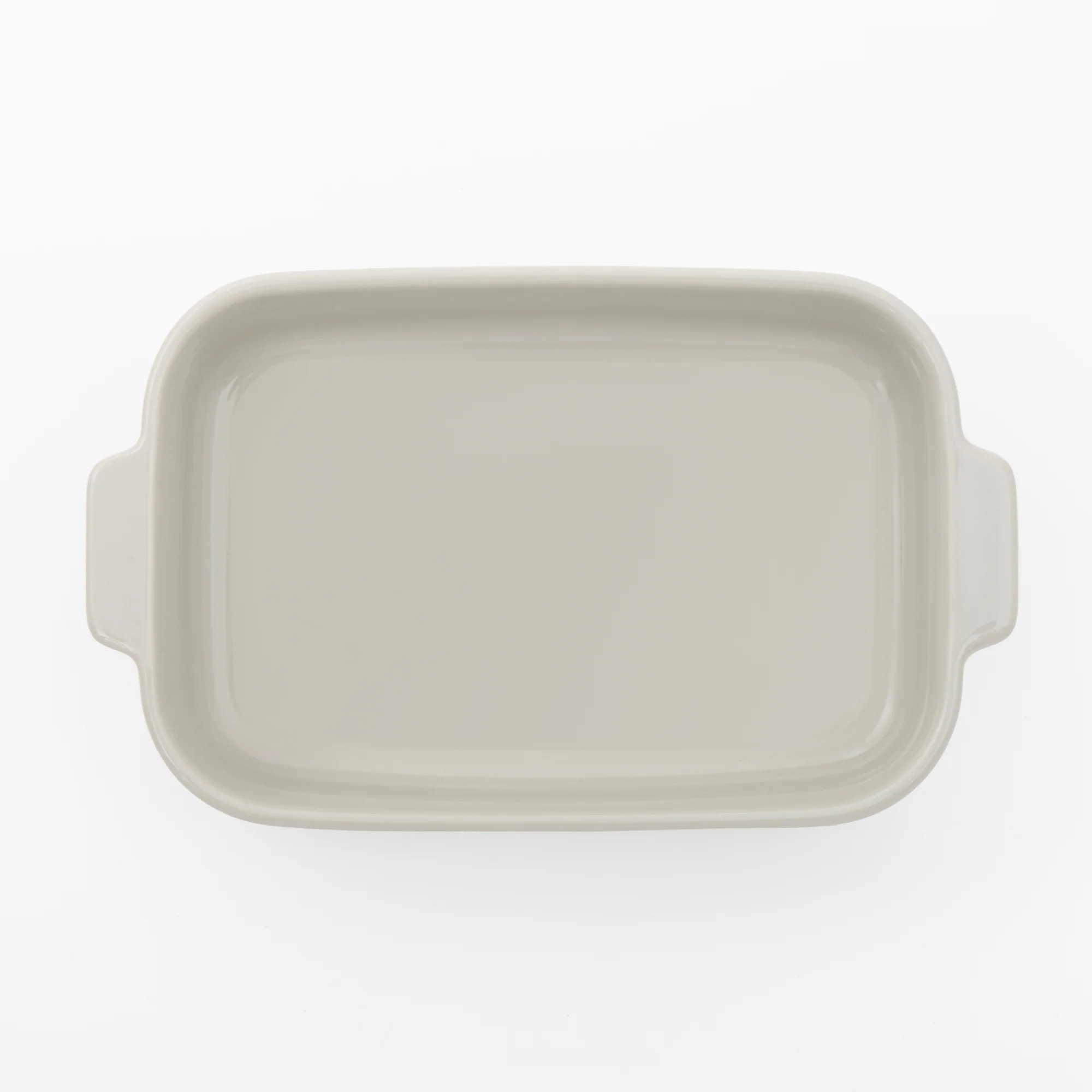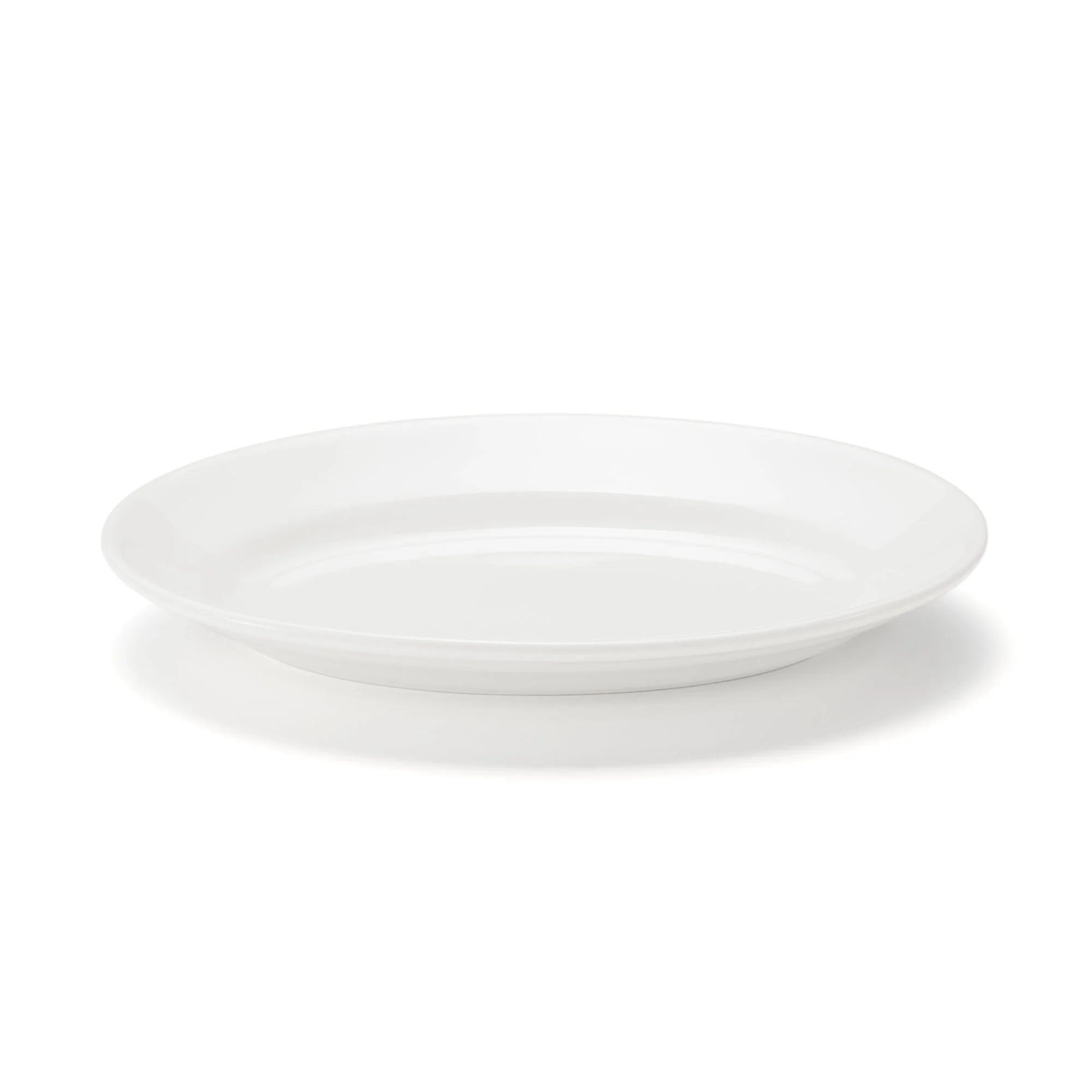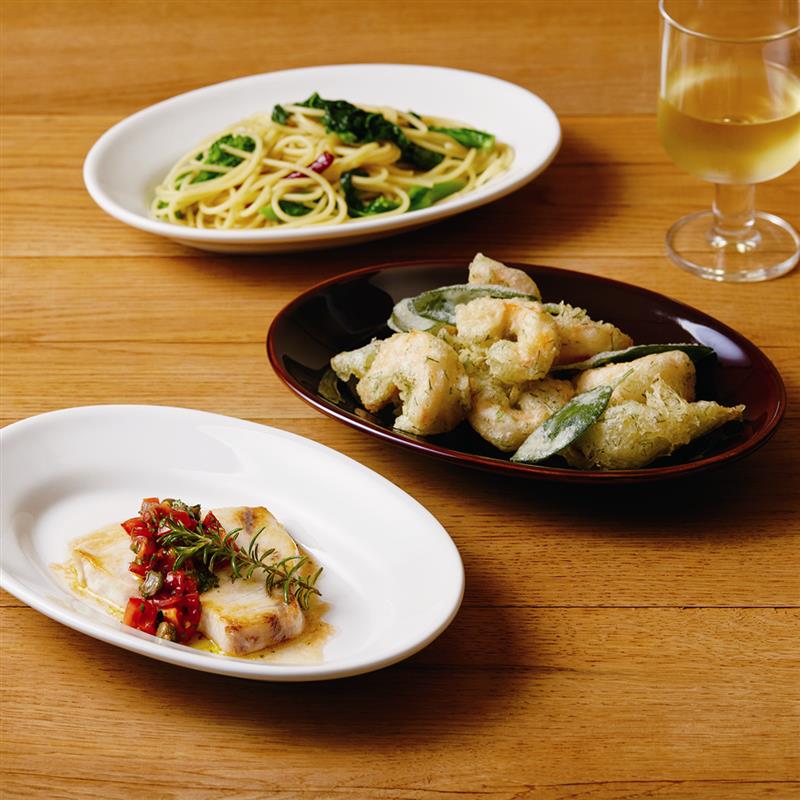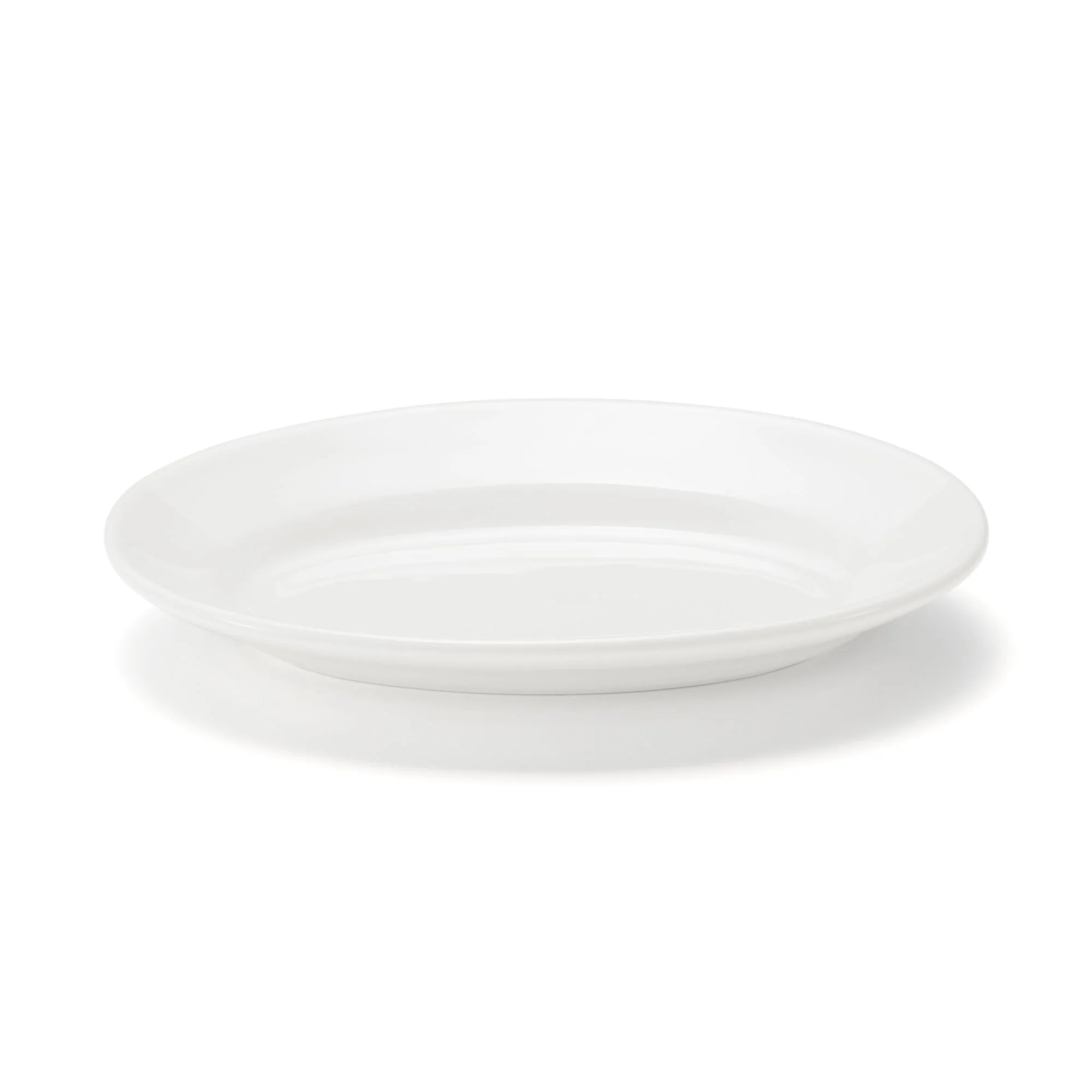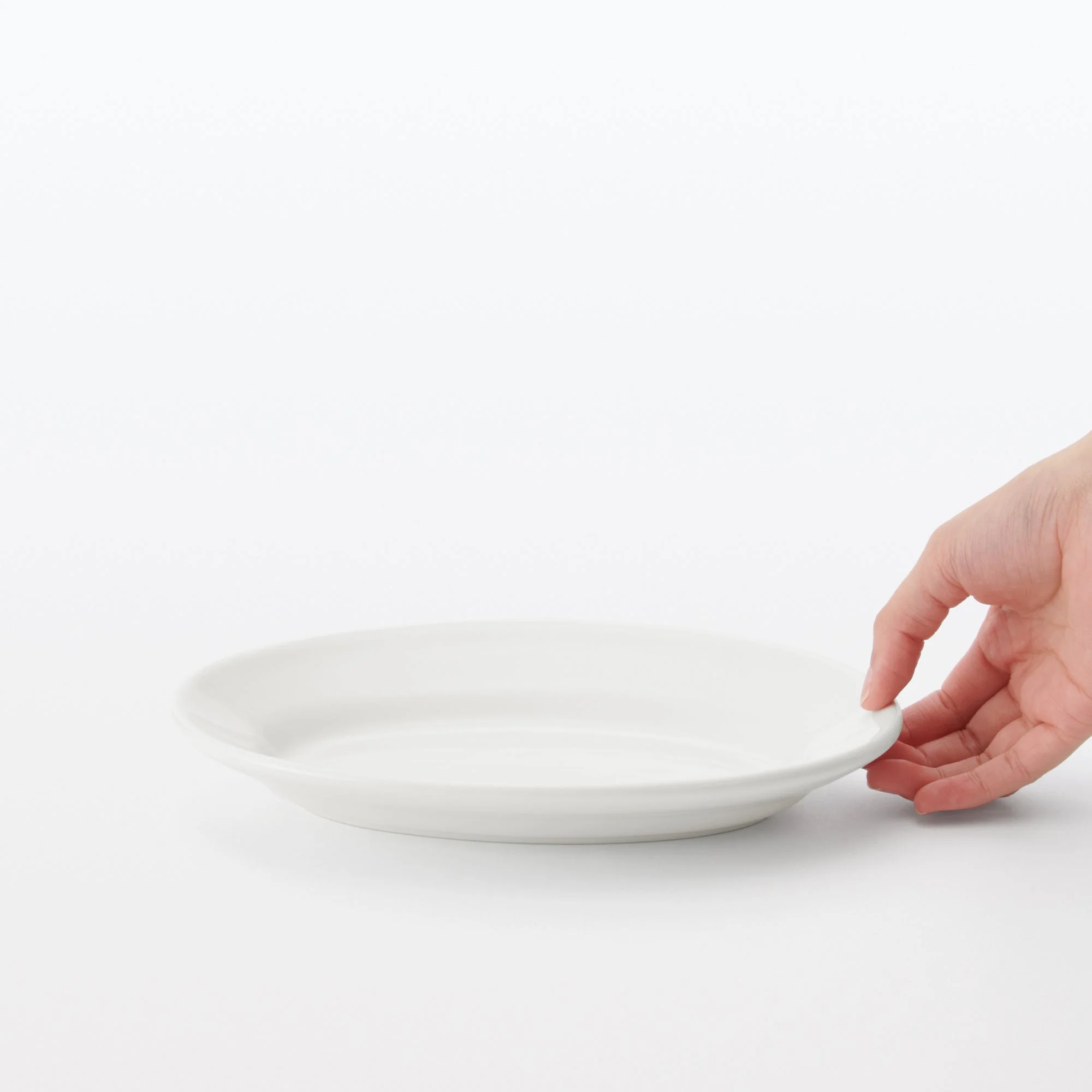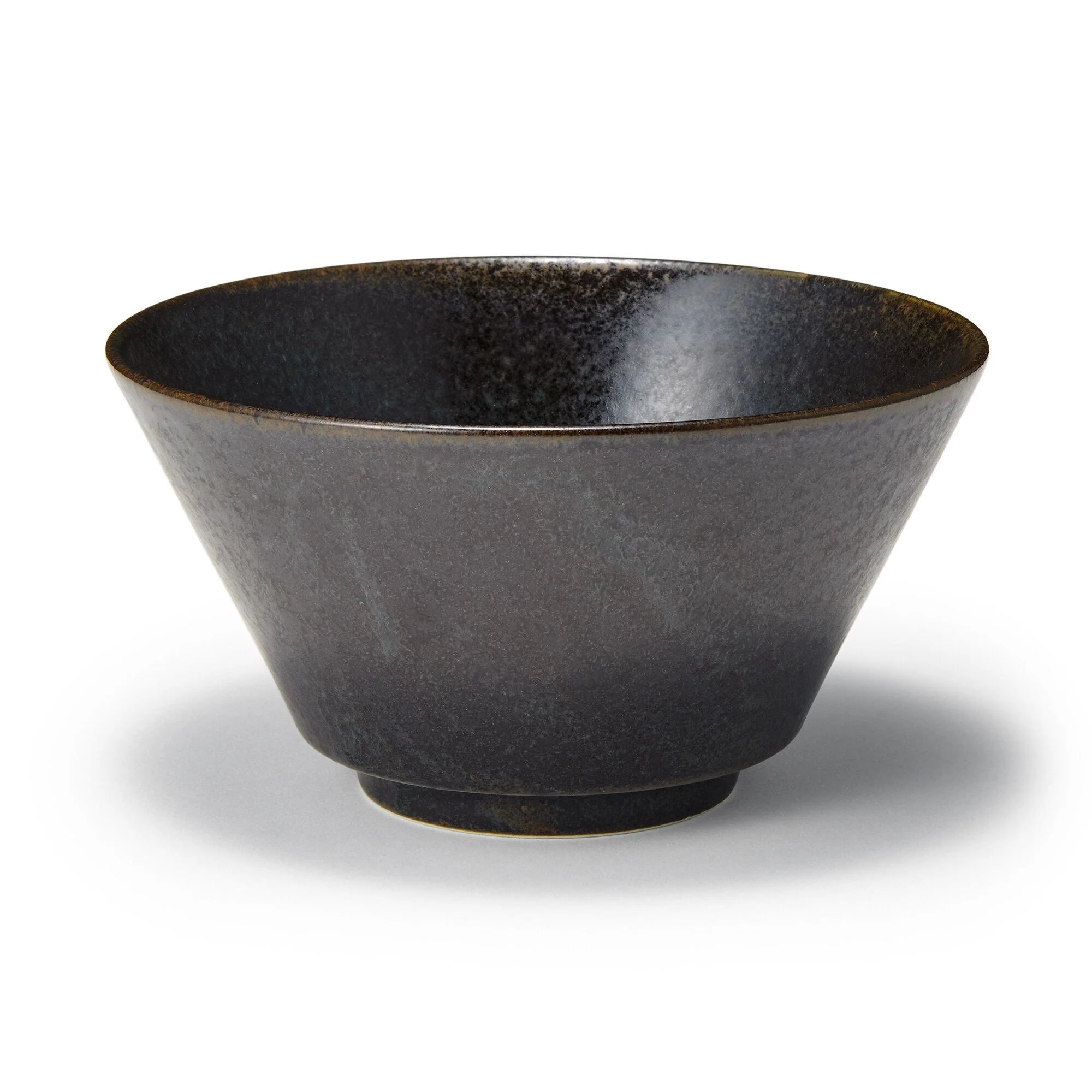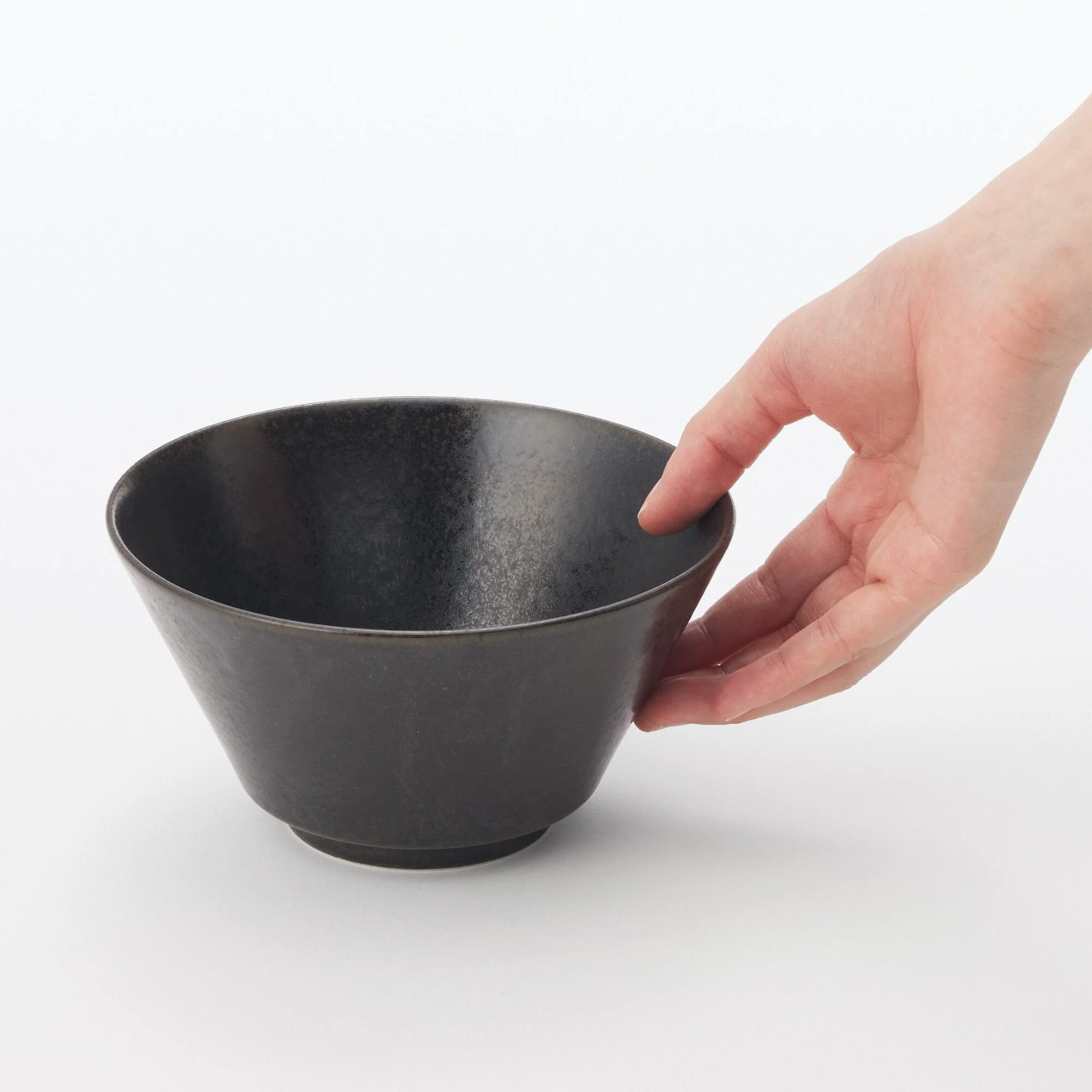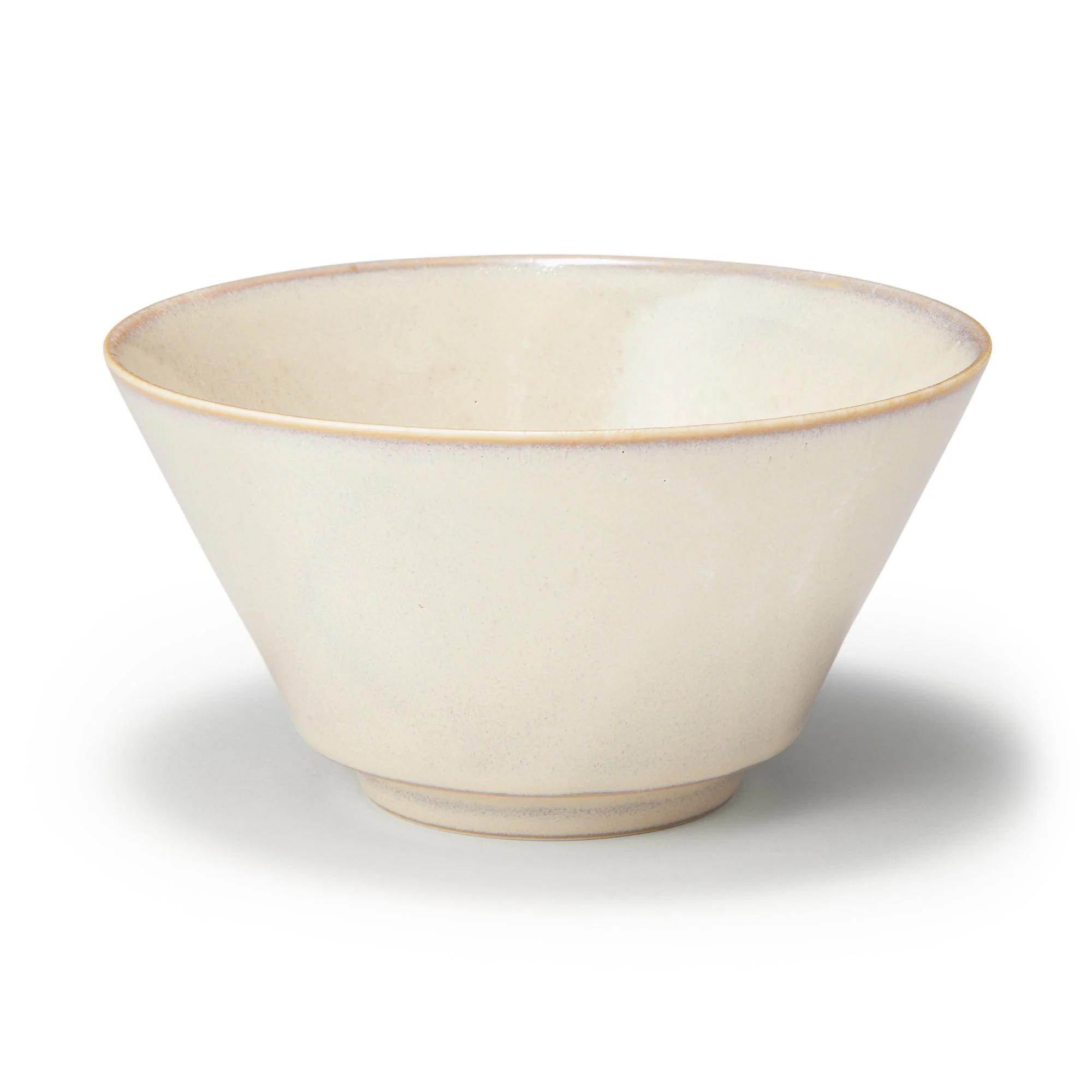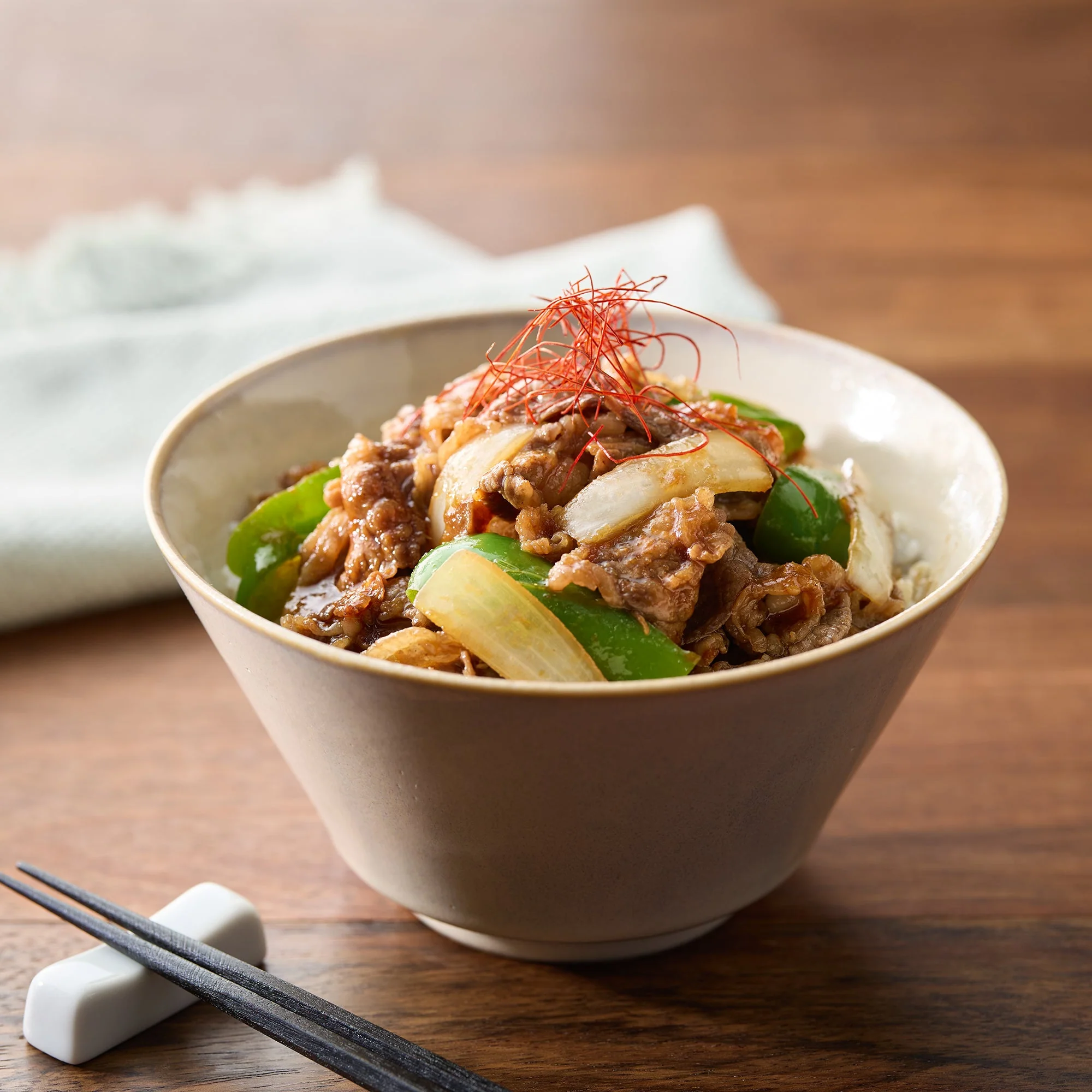
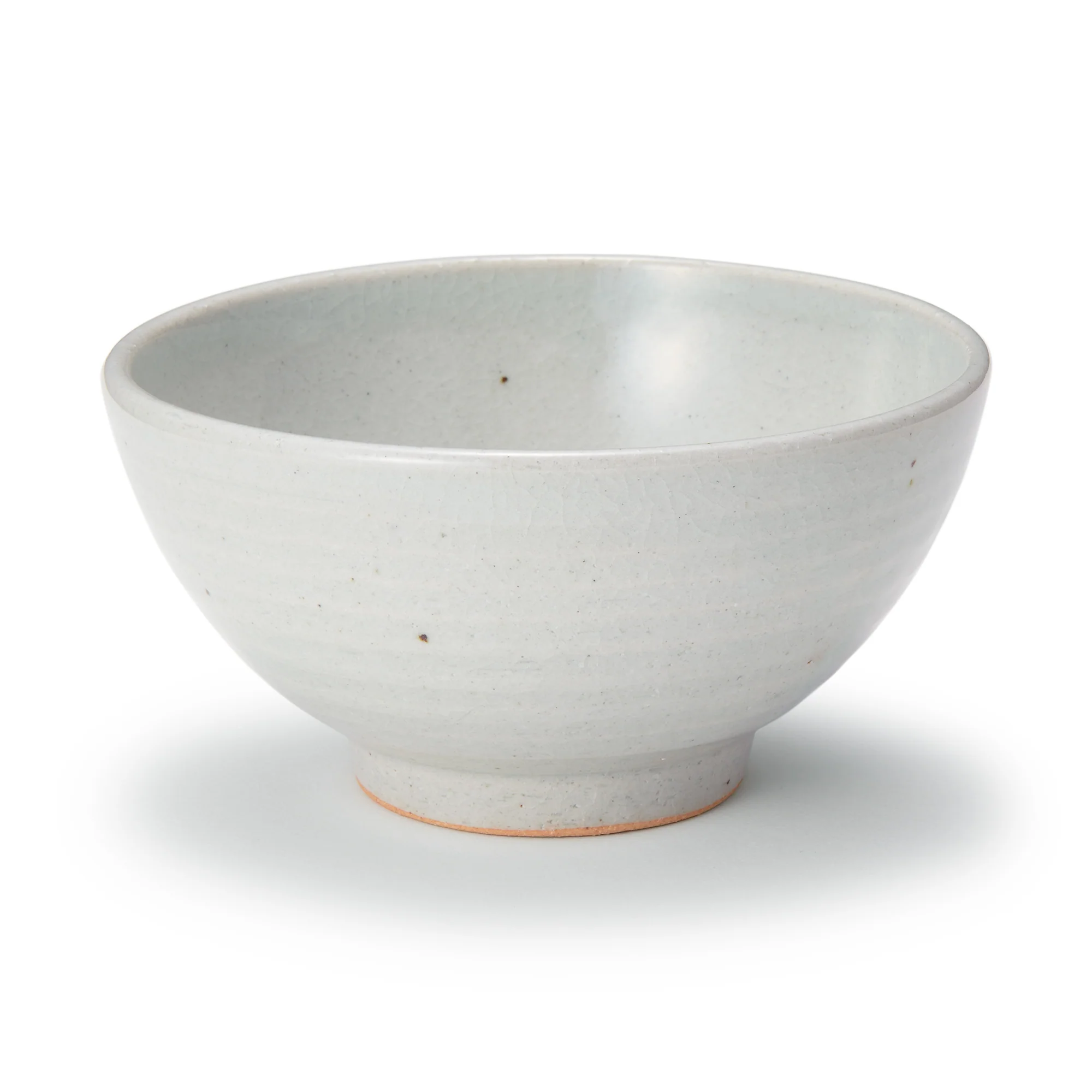
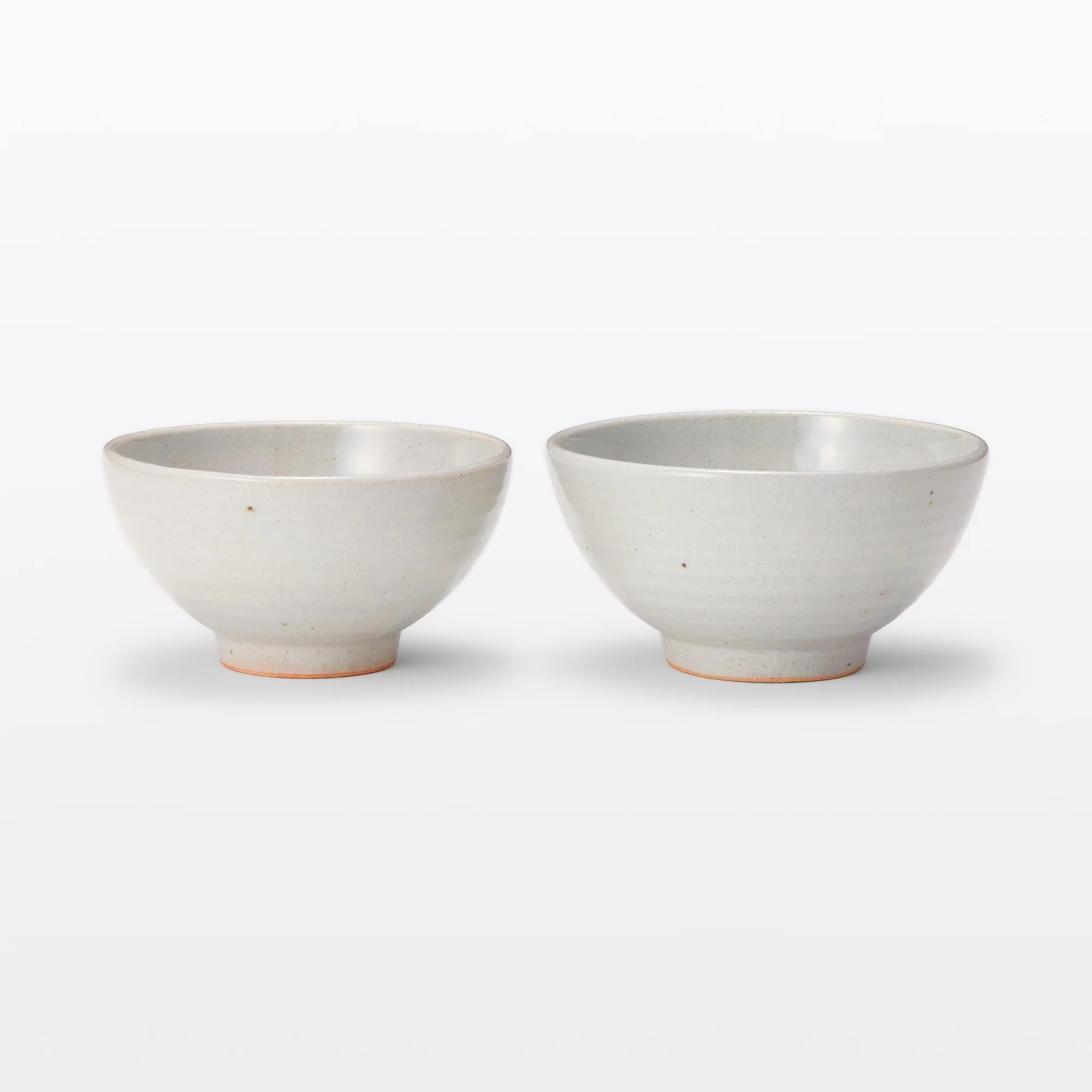
Banko Ware Rice Bowl - Transparent Glaze 5.2"
Banko Ware is a traditional Japanese pottery originating from Yokkaichi, Mie Prefecture, during the Edo Period (18th century). It is well known for its heat-resistant properties, making it particularly popular for cookware such as donabe (earthenware pots), teapots, and kyusu (Japanese teapots with side handles).
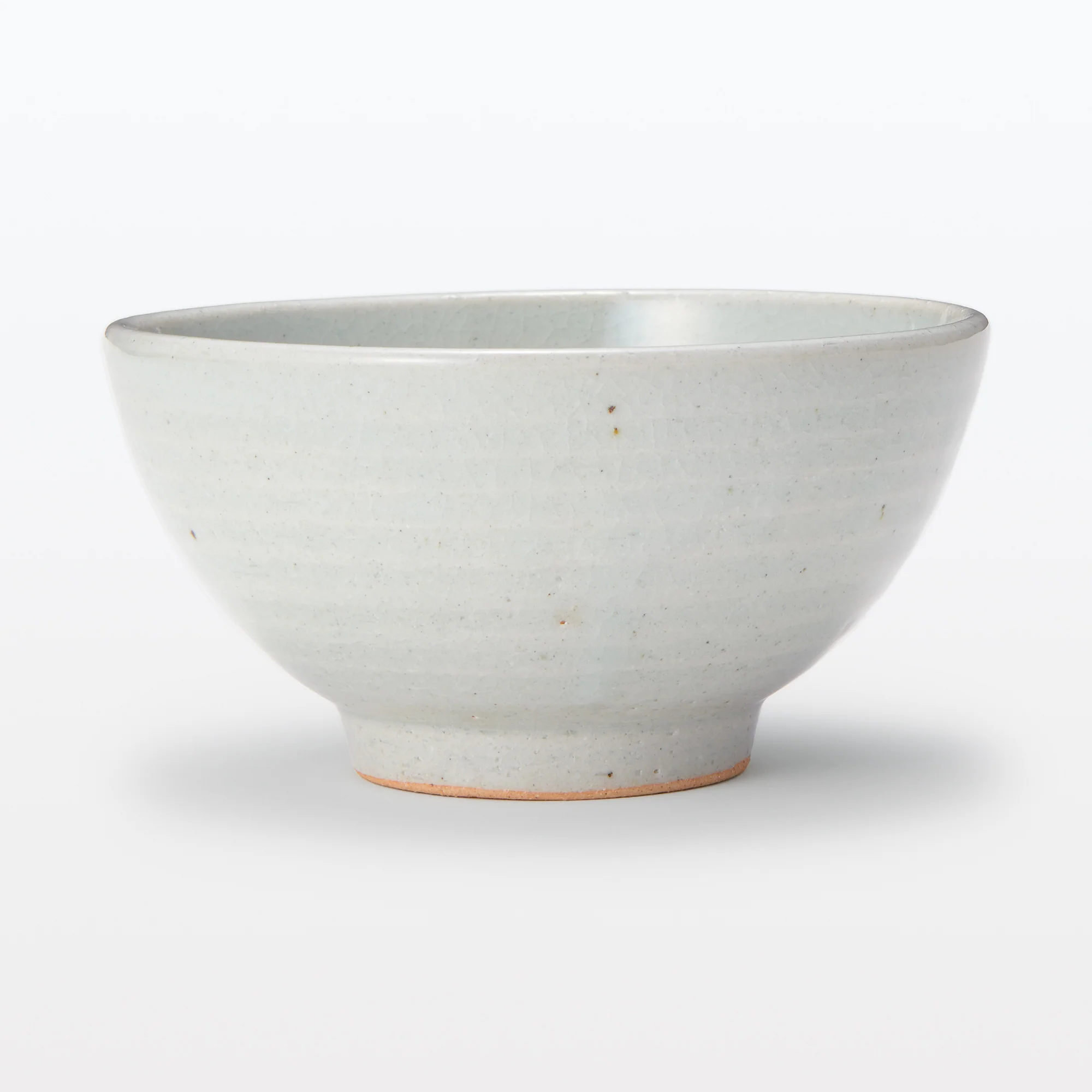
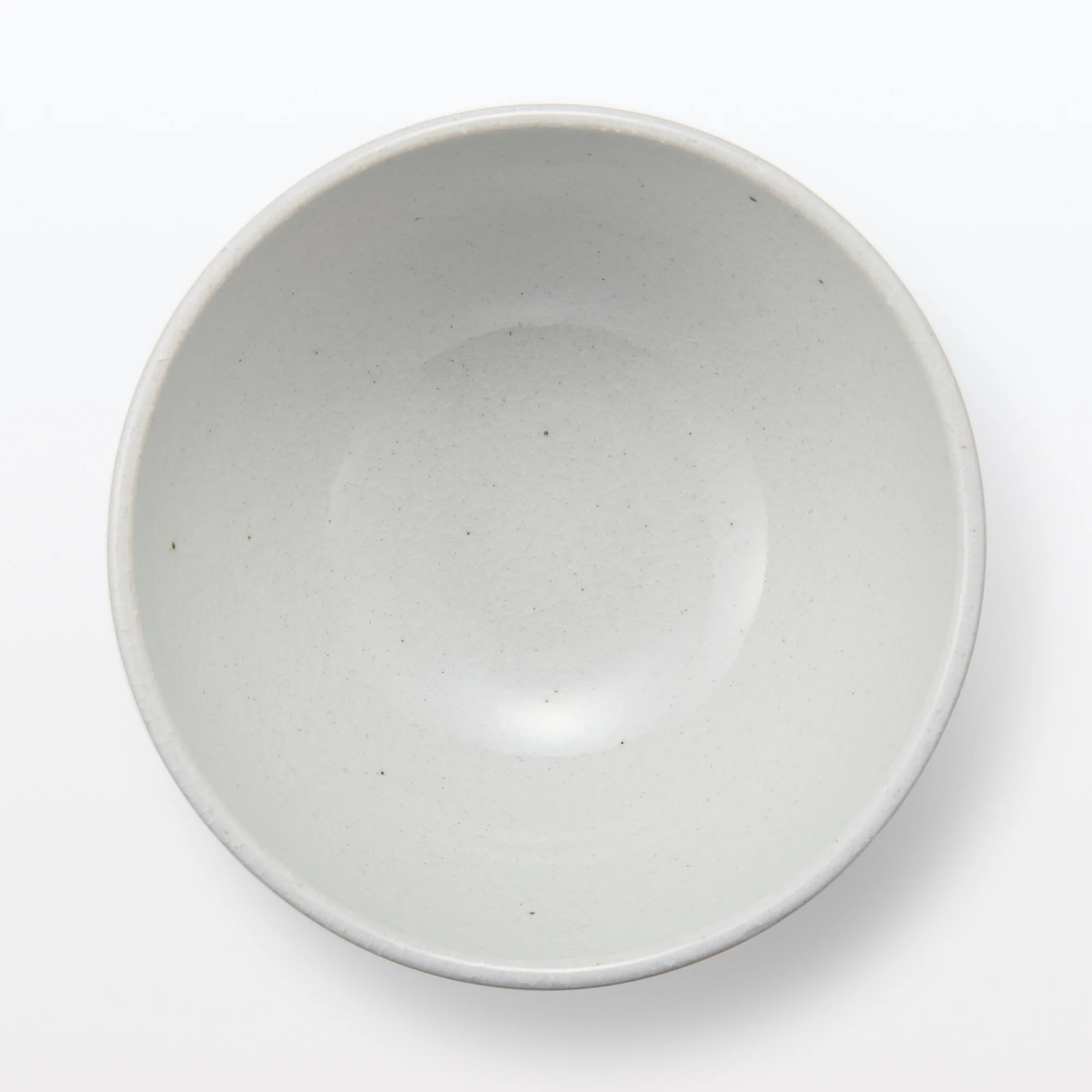
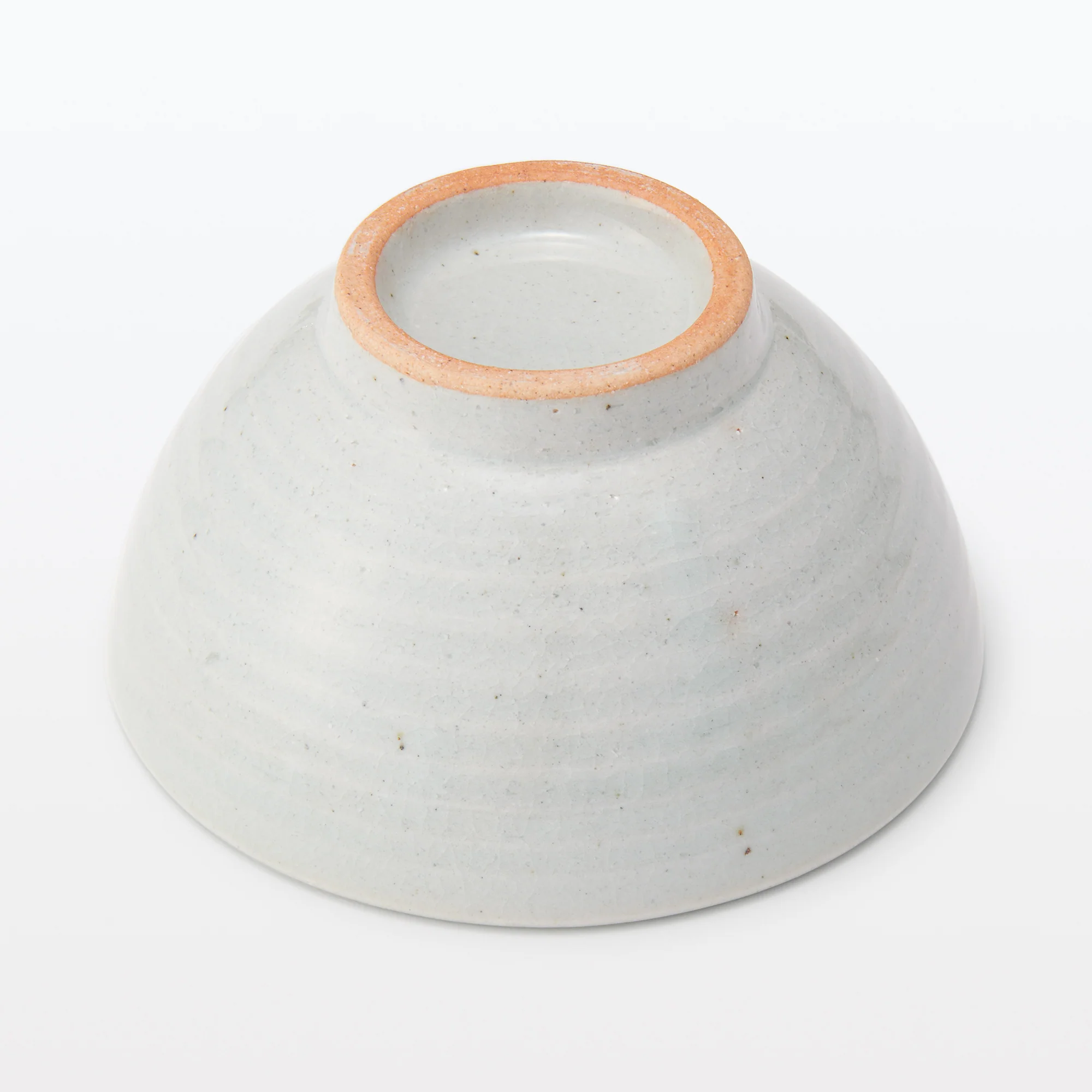
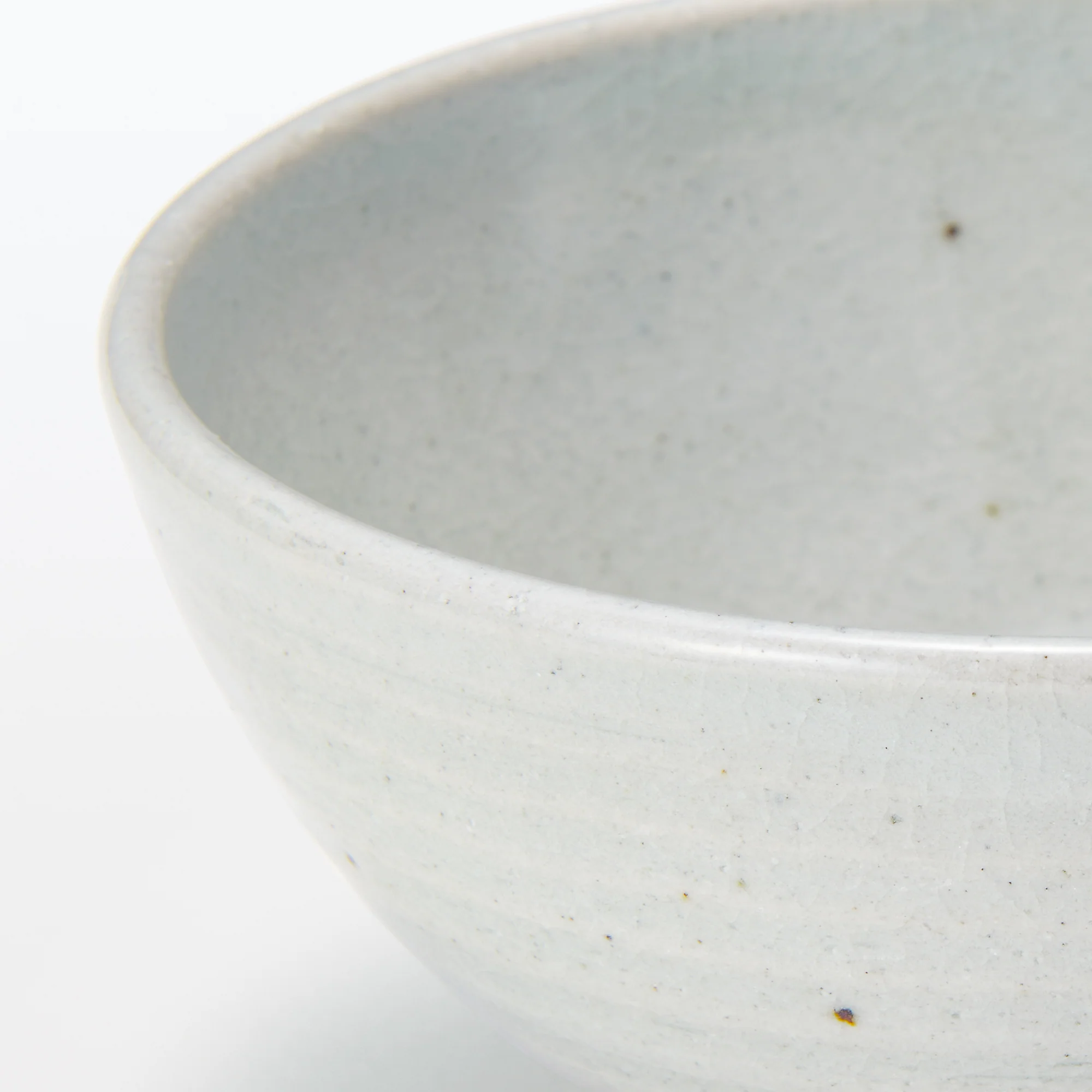
The surface is shaped by hand, so you can enjoy the texture of the rice bowl. The glaze highlights the bowl's texture and pattern, and each one has a different expression.
Original: $18.90
-70%$18.90
$5.67More Images
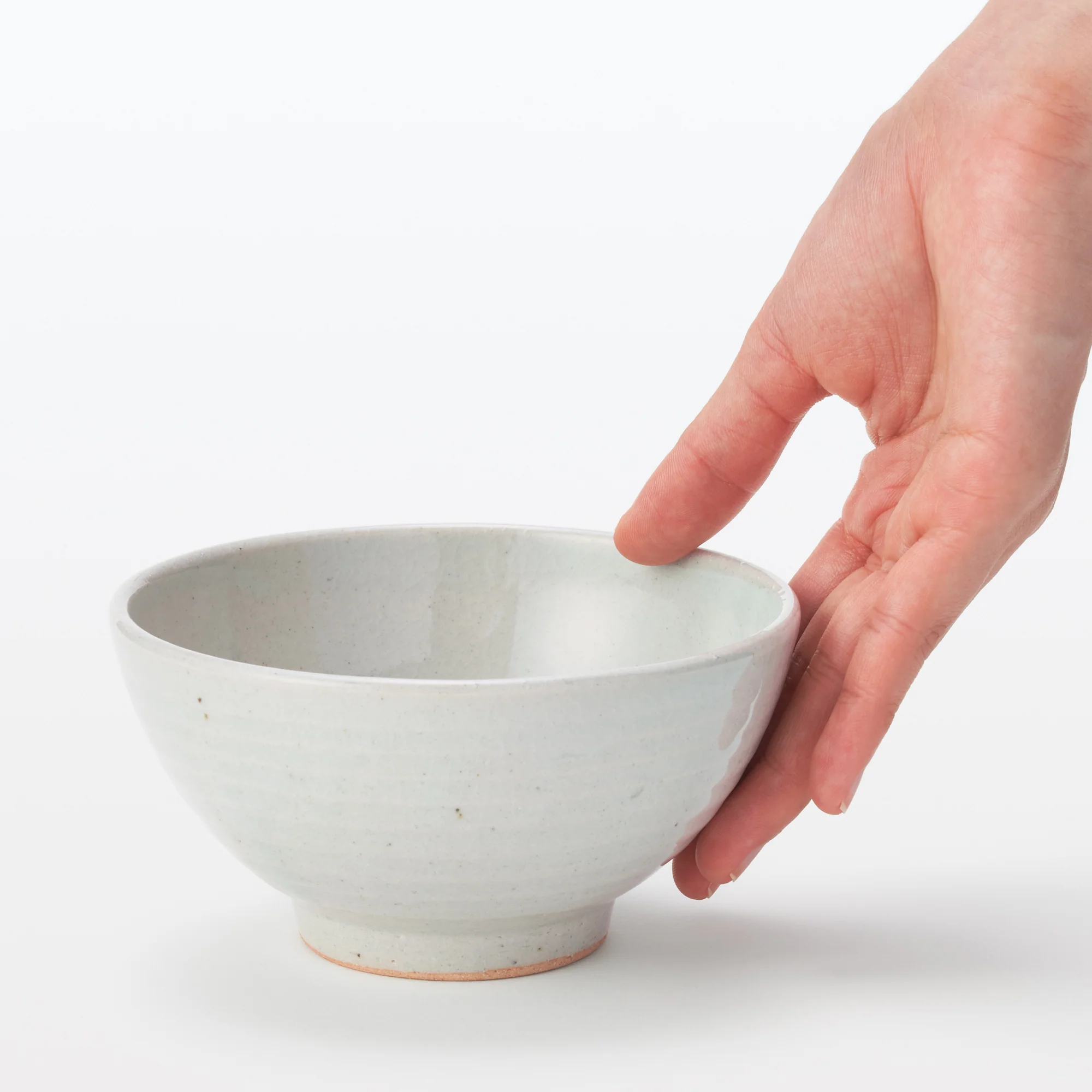
Banko Ware Rice Bowl - Transparent Glaze 5.2"
Banko Ware is a traditional Japanese pottery originating from Yokkaichi, Mie Prefecture, during the Edo Period (18th century). It is well known for its heat-resistant properties, making it particularly popular for cookware such as donabe (earthenware pots), teapots, and kyusu (Japanese teapots with side handles).
The surface is shaped by hand, so you can enjoy the texture of the rice bowl. The glaze highlights the bowl's texture and pattern, and each one has a different expression.
Product Information
Product Information
Shipping & Returns
Shipping & Returns
Description
Banko Ware is a traditional Japanese pottery originating from Yokkaichi, Mie Prefecture, during the Edo Period (18th century). It is well known for its heat-resistant properties, making it particularly popular for cookware such as donabe (earthenware pots), teapots, and kyusu (Japanese teapots with side handles).
The surface is shaped by hand, so you can enjoy the texture of the rice bowl. The glaze highlights the bowl's texture and pattern, and each one has a different expression.